How to Dink in Pickleball: A Beginner Drill
A dink is a soft, short shot intended to bounce in your opponent's non-volley zone. It helps keep the ball low and avoid giving the other side an easy attacking opportunity. The goal is not to hit harder; it is to control where the ball lands.
What to watch in your stroke
Keep the paddle in front of your body, move toward the ball with small steps and use a compact motion. Try a comfortable grip pressure: squeezing too hard and accelerating the wrist can make the trajectory harder to repeat. Give yourself some margin over the net before trying to skim it closely.
DPRADIX drill: count bounces, not winners
This is a practice suggestion, not a skill test or a promise of results. Stand opposite each other near the kitchen lines and agree on a comfortable pace.
- Start by dropping the ball and sending it softly to the other side.
- Aim for five consecutive exchanges that bounce in the kitchen. Restart the count if the ball goes too long or into the net.
- Once that feels comfortable, switch to cross-court dinks.
- Alternate forehand and backhand without increasing speed.
- Finish by discussing what caused misses: distance to the bounce, force or placement.
Two useful adjustments
If the ball lands short, try carrying it slightly farther with the paddle. If it floats too high, shorten the motion and check the face angle at contact. Change one variable at a time so you can identify what helps.
Respect the kitchen
You may step into the kitchen to play a ball that has bounced. If you volley, you must respect both the line and the momentum rule. Recover a balanced position before the next shot.
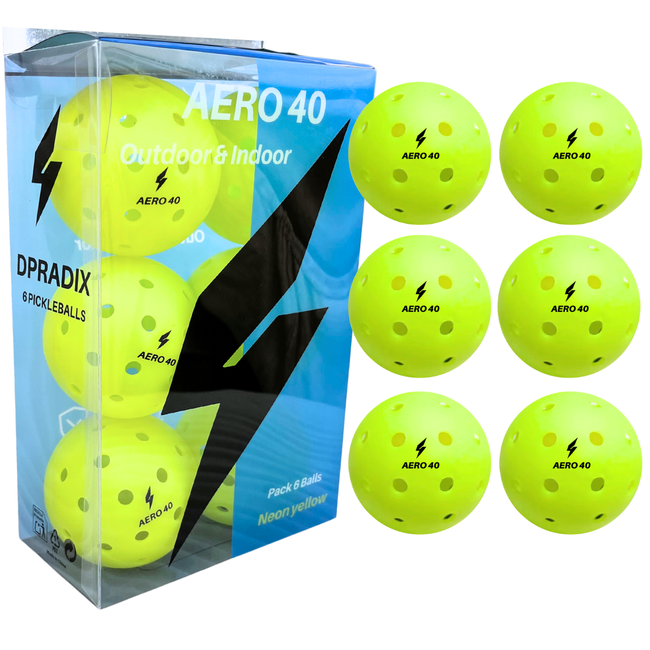
Keep several training balls nearby but outside movement areas so you can restart drills without stopping the session too often.
Technical reference: USA Pickleball: dink strategy. The drill sequence is an editorial DPRADIX suggestion.